Drop, Cover and Hold Pāheke, Hīpoki me Pupuri
Drop, Cover and Hold is the right action to take in an earthquake. Learn how to Drop, Cover and Hold.
On this page
How to Drop, Cover and Hold
The best version of Drop, Cover, Hold is the one that works for your body.
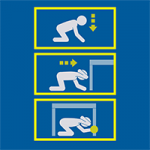
DROP down on your hands and knees or as low as you can. This protects you from falling but lets you move if you need to. Brace yourself against a wall or sturdy furniture if you cannot drop to the floor.
COVER your head and neck (or your entire body if possible) under a sturdy table or desk (if it is within a few steps of you). If there is no shelter nearby, cover your head and neck with your arms and hands.
HOLD on to your shelter (or your position to protect your head and neck) until the shaking stops. If the shaking shifts your shelter around, move with it.
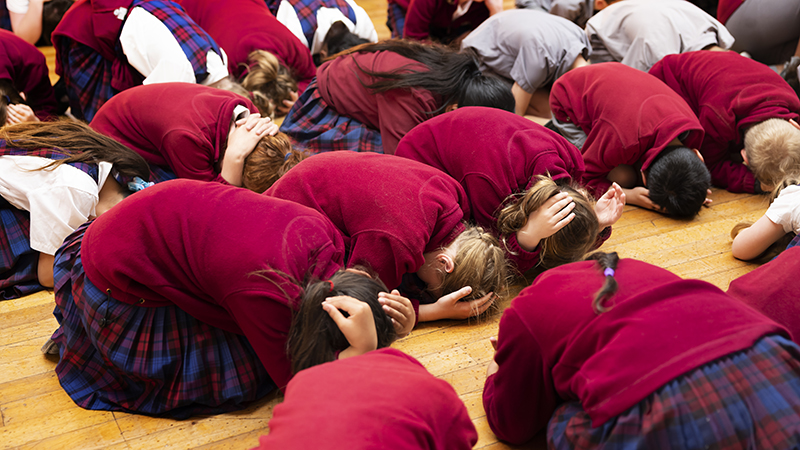
Different ways to Drop, Cover and Hold
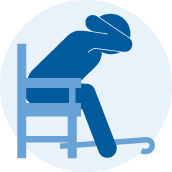
If you have a mobility impairment or use a cane
If you have a mobility impairment or use a cane, Drop, Cover and Hold or Sit, Cover and Hold.
Drop by getting as low as you can or Sit on in a chair, on the side of the bed or on a couch.
Cover your head and neck with both hands. Curl your body as much as you can into your lap. This is the same as the brace position in an airplane. Keep your cane near you so you can use it when the shaking stops.
Hold on until the shaking stops.
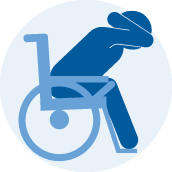
If you use a walker or a wheelchair
If you use a walker or wheelchair, Lock, Cover and Hold.
Lock your wheels and get as low as you can.
Cover your head with both hands if you can. Curl your body as much as you can into your lap. This is the same as the brace position in an airplane.
Hold on until the shaking stops.
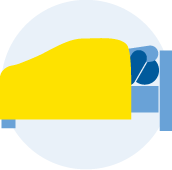
If you are in bed
If you are in bed, Stay, Cover and Hold.
Stay in bed and pull the sheets and blankets over you. You are less likely to be injured if you stay in bed.
Cover your head and neck with your pillow.
Hold on until the shaking stops.
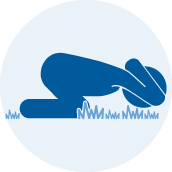
If you are outside
If you are outside, Drop, Cover and Hold.
Move no more than a few steps away from buildings, trees, streetlights and power lines.
Then Drop, Cover and Hold.
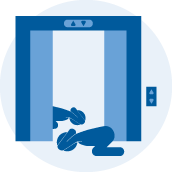
If you are in an elevator
If you are in an elevator, Drop, Cover and Hold.
When the shaking stops, try and get out at the nearest floor if you can safely do so.
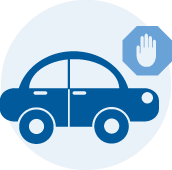
If you are driving
If you are driving, Pull over and Wait. Pull over to a clear location. Stop.
Wait there with your seatbelt fastened until the shaking stops.
Once the shaking stops, proceed with caution and avoid bridges or ramps as they may have been damaged.
Practise your Drop Cover Hold
It's important to practise the right action to take so that when a real earthquake happens, you know what to do.
Most injuries and deaths during earthquakes are caused by things falling on people rather than buildings collapsing. You need to practise the version of Drop, Cover, Hold that works for you and make it your immediate reaction when the ground starts shaking.
The best version of Drop, Cover, Hold is the one that works for your body and that you have practiced.
Practise your Drop Cover Hold:
- Each year as part of New Zealand ShakeOut
- When you check your plan or emergency supplies
- At regular times during the year like daylight savings.
Discredited earthquake safety information
You will find other information on the internet about what to do in an earthquake. Much of it has been discredited, and should not be followed.
Research from the United States, Taiwan, Japan and New Zealand support and recommend Drop, Cover and Hold. These are all places with modern, earthquake-resistant building design codes.
Resources

Learn why Drop, Cover and Hold is the right action to take in an earthquake.

Download and print these posters in English on what to do in an earthquake. Put them up in your home, school, work or community space. Remember to Drop, Cover and Hold in an earthquake. If you use a walker or wheelchair, Lock, Cover and Hold.
pdf | 102 KB

Drop, Cover and Hold is the right action to take in an earthquake. Watch this short video to find out more about Drop Cover and Hold.
Me tikiake ka tā i ēnei pānui i roto i te reo Māori ka whakairi ki tō kāinga, kura, wāhi mahi rānei. Kia maumahara, Pāheke, Hīpoki, Pupuri ina pā mai he rū.
Download and print these posters in te reo Māori on what to do in an earthquake. Put them up in your home, school, work or community space. Remember to Drop, Cover and Hold in an earthquake.
Download and share this factsheet on what to do before, during and after an earthquake.
Tīkina ake, tiria hoki tēnei pukameka mō ngā mahi me whakamahi ā mua, ā roto, ā muri hoki i tētahi rū whenua.
Download and share this factsheet on what to do before, during and after an earthquake.
Types of hazards | Ngā momo matepā
In New Zealand we have a lot of natural hazards. Find out what to do before, during and after each type of emergency.